Creating a New Catalog
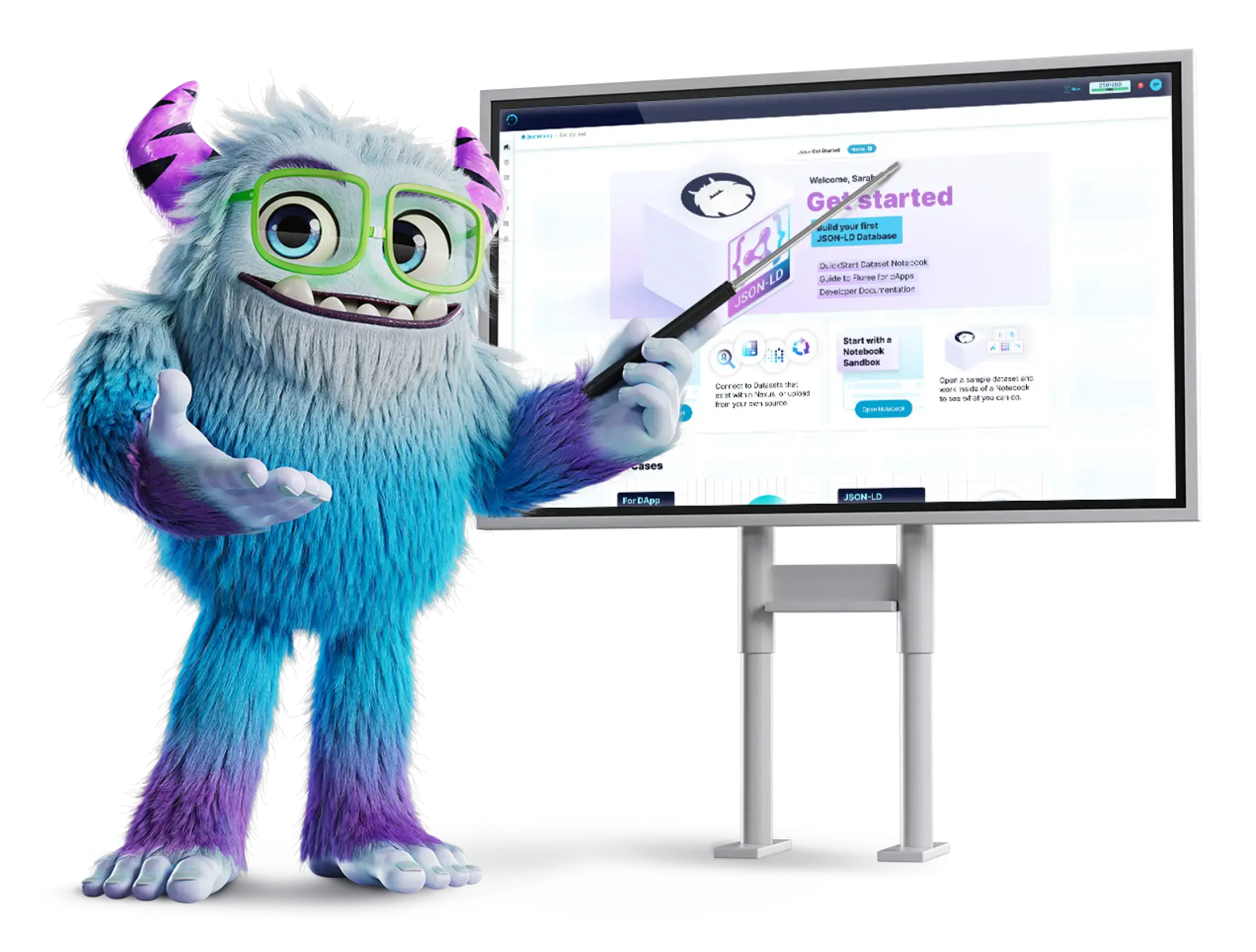
A user can create a new Catalog from the My Data Catalog section that appears on the Classify home screen, as shown below. They can also create a new Catalog from the Catalog List screen accessed from the left nav menu by clicking the “Create New Data Catalog” button.
As we will see later, a more practical way for creating larger Catalogs is to import the Catalog details such as the Semantic Objects and concepts.

Once you perform either of these actions, you’re redirected to the Describe Catalog screen from where the workflow for Catalog creation begins.
Step 1 - Describe Catalog:
Enter the name of the Catalog and select an icon that best describes the Catalog that you are trying to create. You can optionally add a description so that someone who is added to the Catalog understands the scope of this data dictionary (for example, which lines of business use this Catalog).

Once a unique name is entered and an icon is selected, then the Next Step button gets enabled, and you can continue.
System Validations
-
Catalog Name and Icon are required for the Next Step button to be enabled.
-
If you enter the name of a Catalog that already exists, the system will prompt you to enter a new unique name to continue.
Step 2 - Define User Role(s) for the Catalog:
Fluree Sense recognizes the need for fine-grained user roles for Catalog management. The following roles are available in this screen:
-
Catalog Admin
-
Catalog Reviewer
-
Catalog Approver
The significance of these Catalog roles and Entitlements has already been explained in the earlier section.

System Validations
-
If the Four-eyes Check is OFF, the System requires at least 1 reviewer and 1 admin to enable the Next Step. There can of course be more admins and reviewers.
-
If the Four-eyes Check is ON, the system requires at least 1 reviewer, 1 admin and 1 approver to enable the Next Step. There can of course be more users with any of these roles.
Step 3 - Define Semantic Object(s) for the Catalog:
Enter the names of the Semantic Objects and an optional definition for each. These Objects will act as an entity or subject area for your Catalog. You add each object by typing in the names and then by clicking on the “Plus” button on the right side.

After you are done creating the objects, the user can click the Next Step button at the bottom of the page.
Step 4 - Defining Concepts for each Semantic Object:
In this screen you will define concepts that correspond to a specific Semantic Object created in Step 3. This screen is very similar to the previous screen, however the user will be able to choose which object the concept is specifically for. These concepts can be considered as the specific attributes for each of the corresponding objects that have previously been created for this catalog. For example suppose there is a Semantic Object titled Customer. This object can have attributes such as Customer First Name, Customer Last Name, Customer Id, Age, Gender etc.

There is a dropdown window containing every object that was previously defined. You can select the object that you want to work on using the dropdown menu. The user can now enter a Concept name and an optional definition and then click the ‘Plus’ button to add that Concept to that object.
In this case above, 2 concepts are already there and a 3rd “City” is in process of being added.
After the user is done, they can click save and close on the bottom right of the screen.

Once the Catalog is completed The user will be able to see it on the list of catalogs in the Catalog homepage, as shown above.